Mountaineering
Explore. Climb. Conquer.
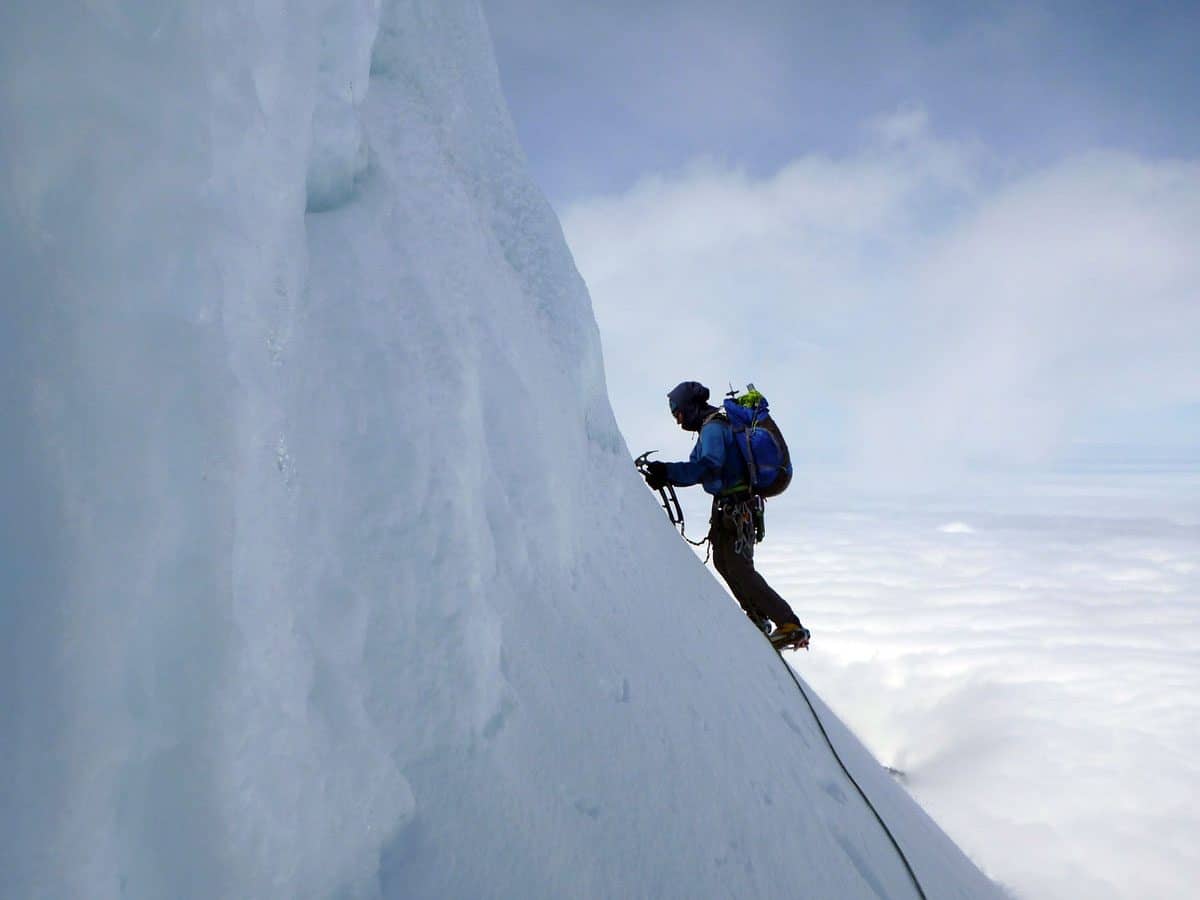
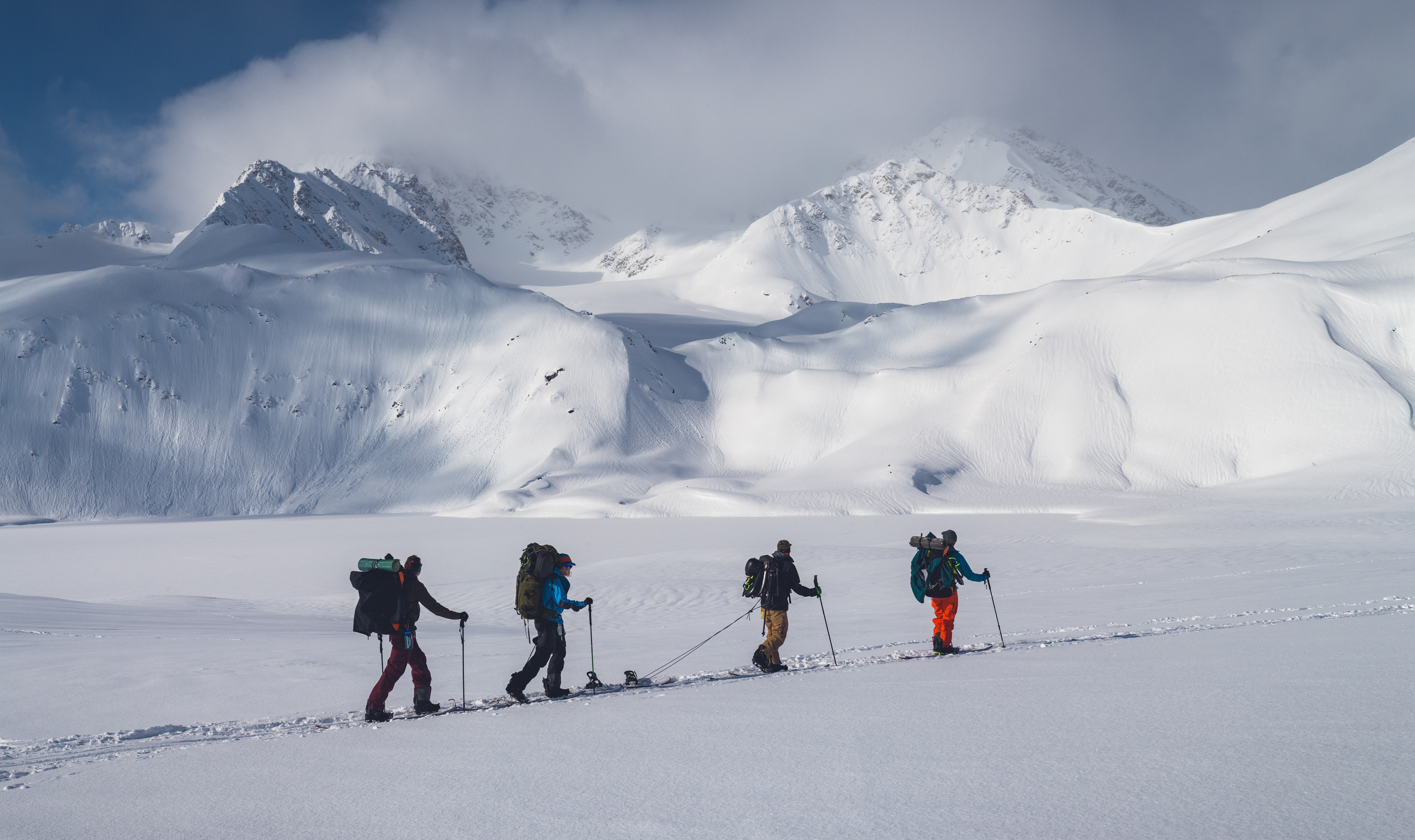
Mountaineering is the pursuit of reaching mountain summits through a mix of trekking, rock climbing, ice climbing, and glacier travel. It’s more than a sport — it’s a blend of adventure, endurance, and deep connection with nature.
The journey began in 1786 with the first ascent of Mont Blanc. Over centuries, mountaineering evolved from exploration to a technical and competitive outdoor discipline — famously marked by the 1953 Everest summit.
Mountaineers face harsh climates, avalanches, altitude sickness, and isolation. Yet the rewards — from unmatched views to personal triumph — are deeply fulfilling and often life-changing.
GPS navigation, satellite communication, and high-tech gear have enhanced safety. Still, ethical mountaineering emphasizes low impact, respect for native lands, and leaving no trace behind.
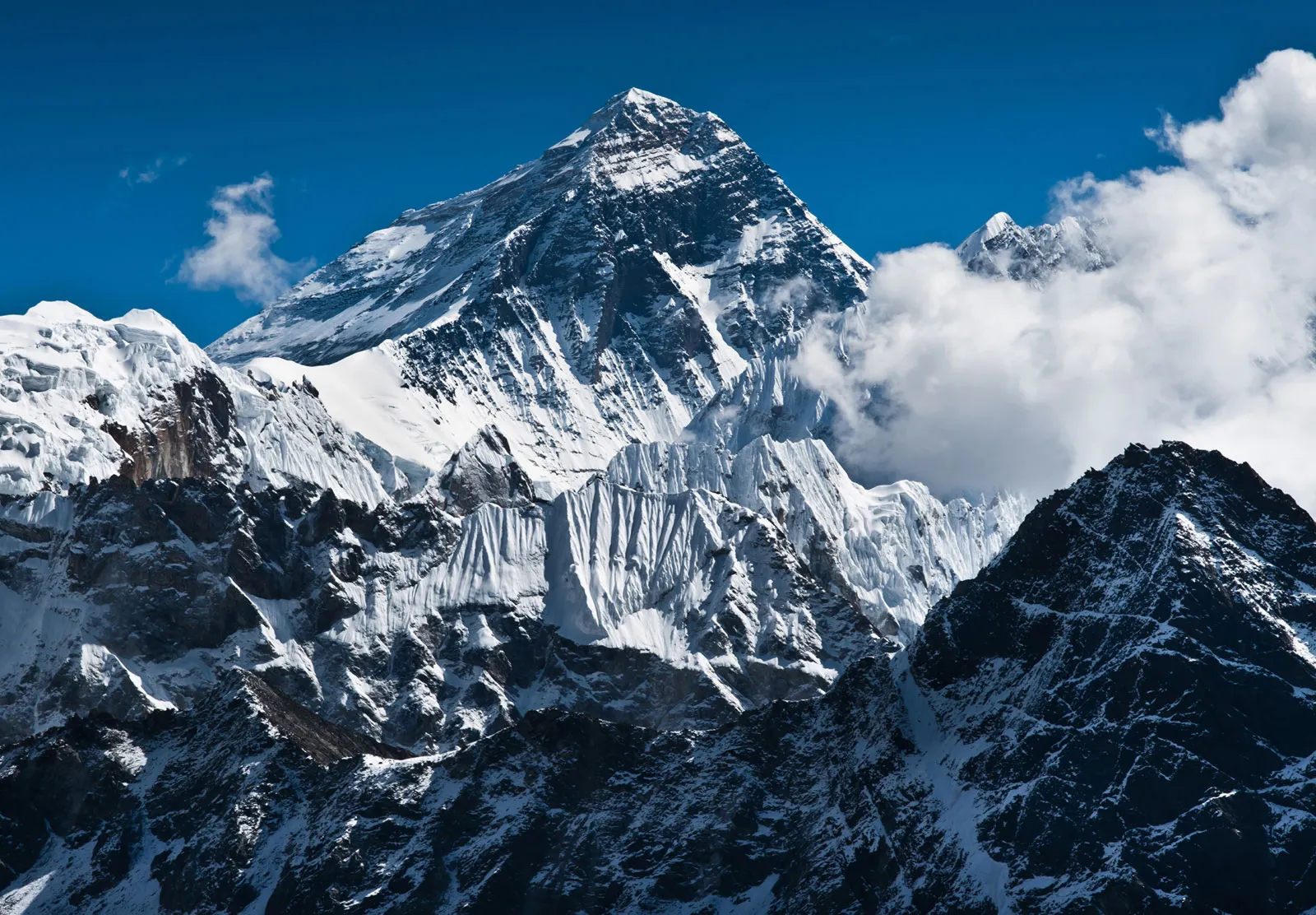
The tallest mountain on Earth, located on the Nepal-Tibet border. A symbol of extreme challenge and success, Everest attracts climbers from around the globe.
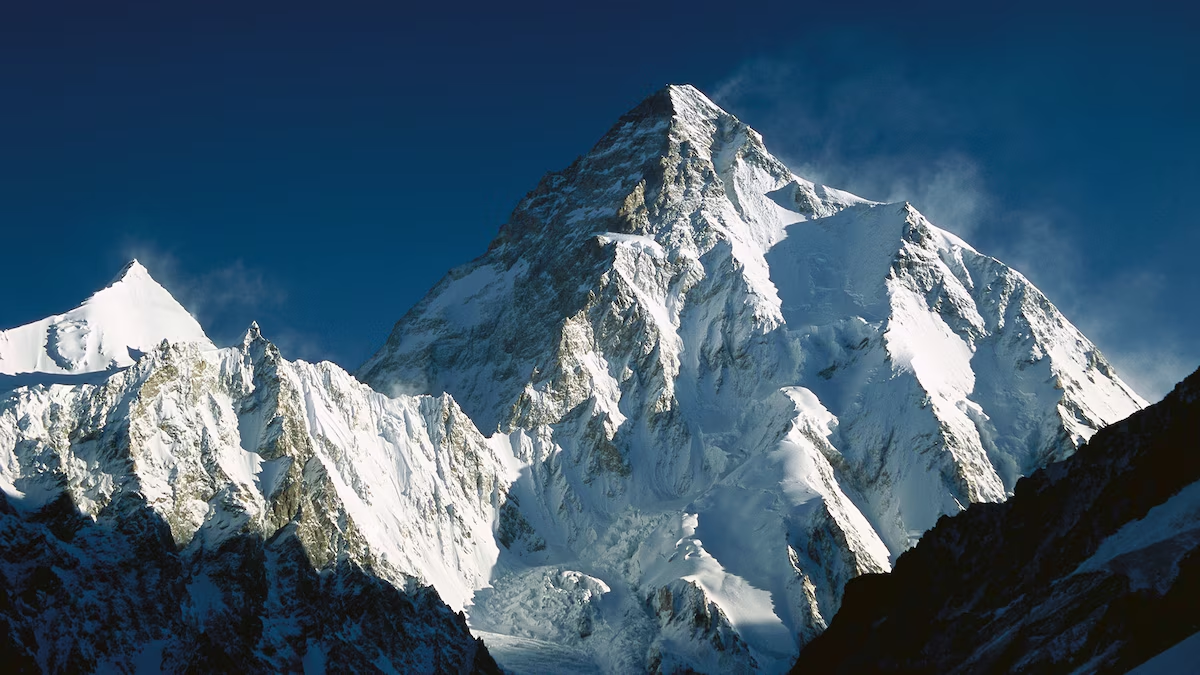
The second-highest mountain, located in Pakistan. Known for technical difficulty and deadly weather, it is one of the most dangerous climbs on Earth.
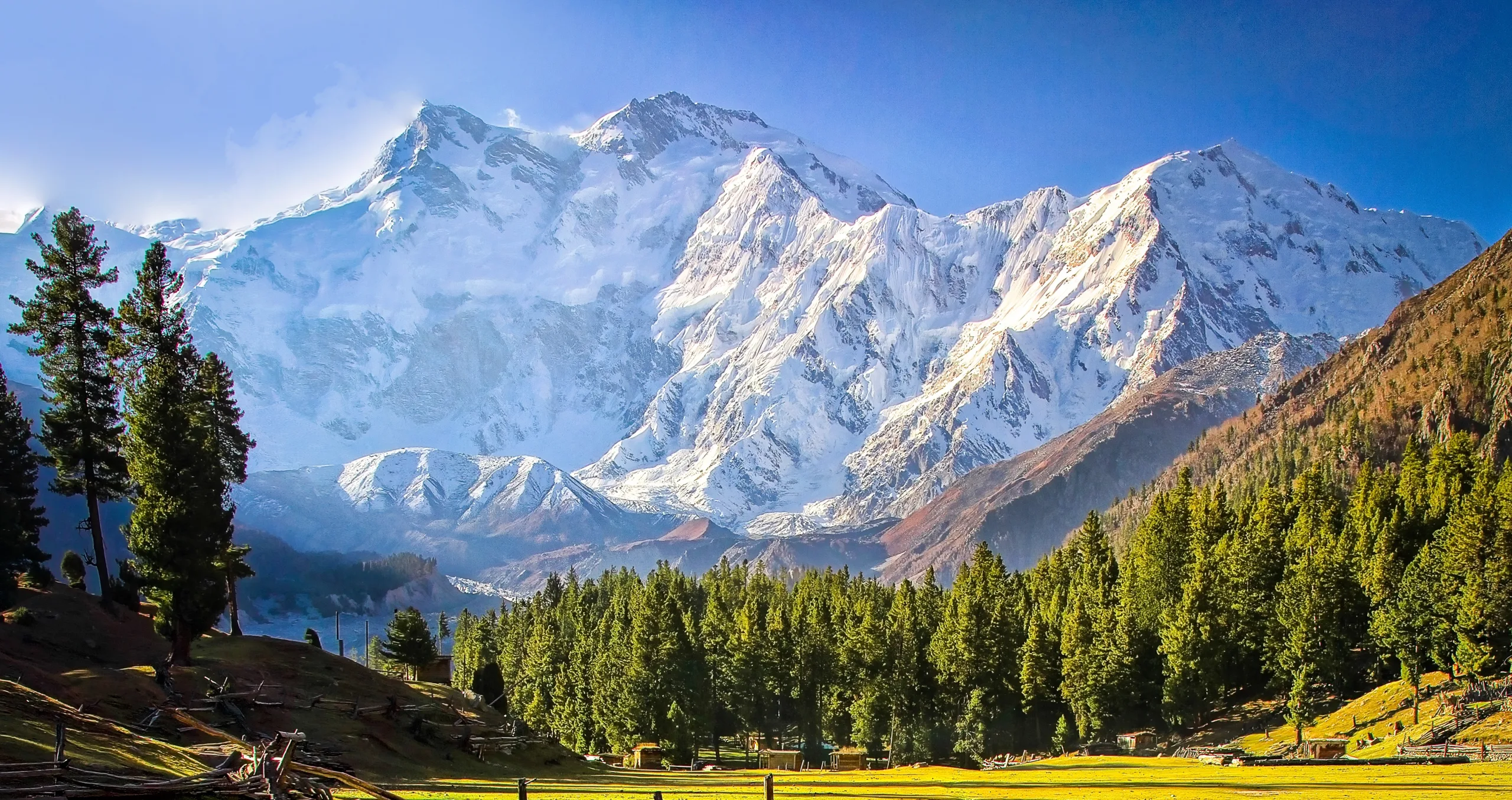
Nicknamed the “Killer Mountain,” Nanga Parbat has claimed many lives. It is the ninth highest mountain and stands isolated and massive in the Pakistani Himalayas.
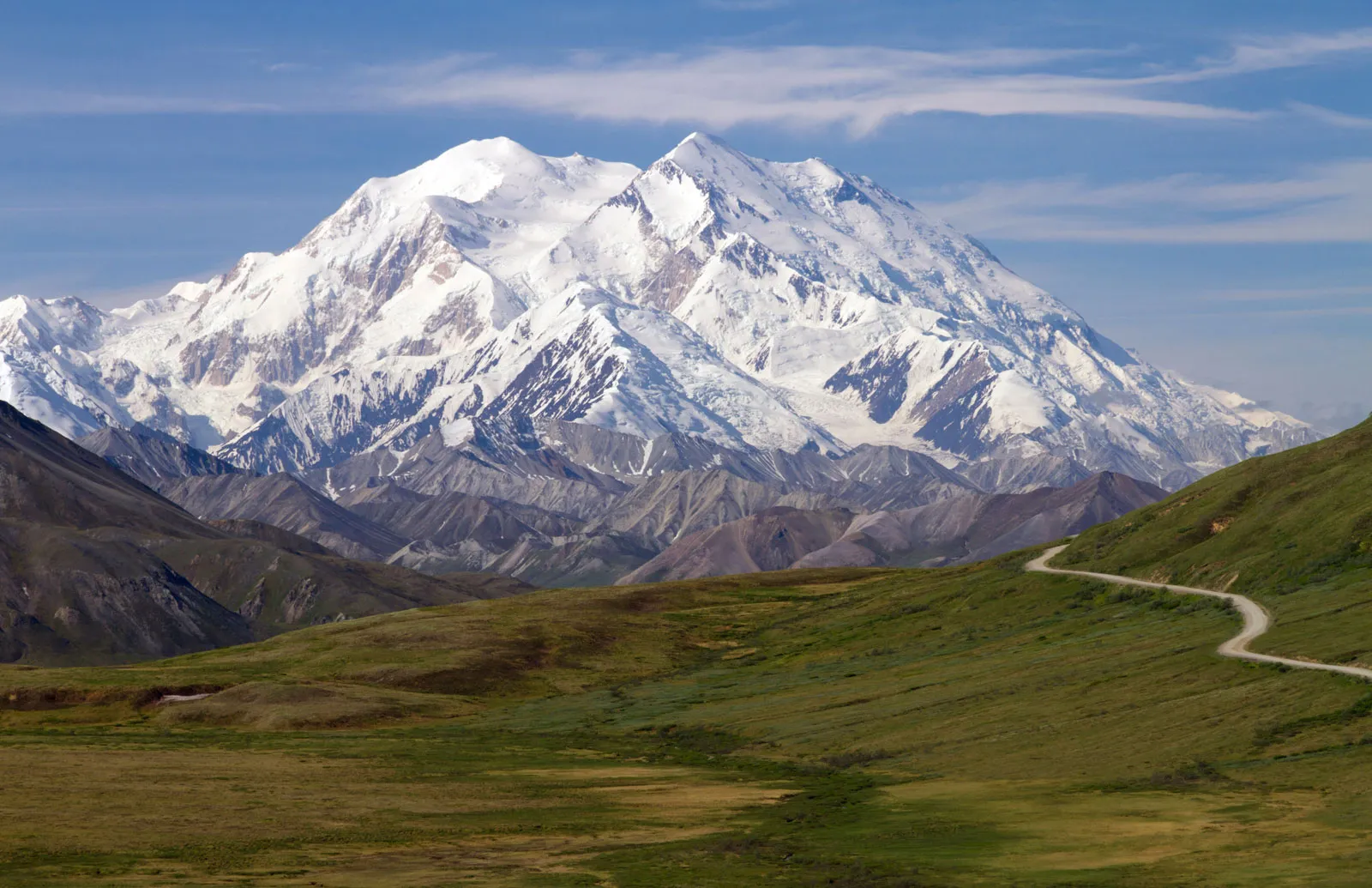
The highest mountain in North America, Denali (formerly Mt. McKinley) is known for its extreme cold and long, difficult expeditions in Alaska.
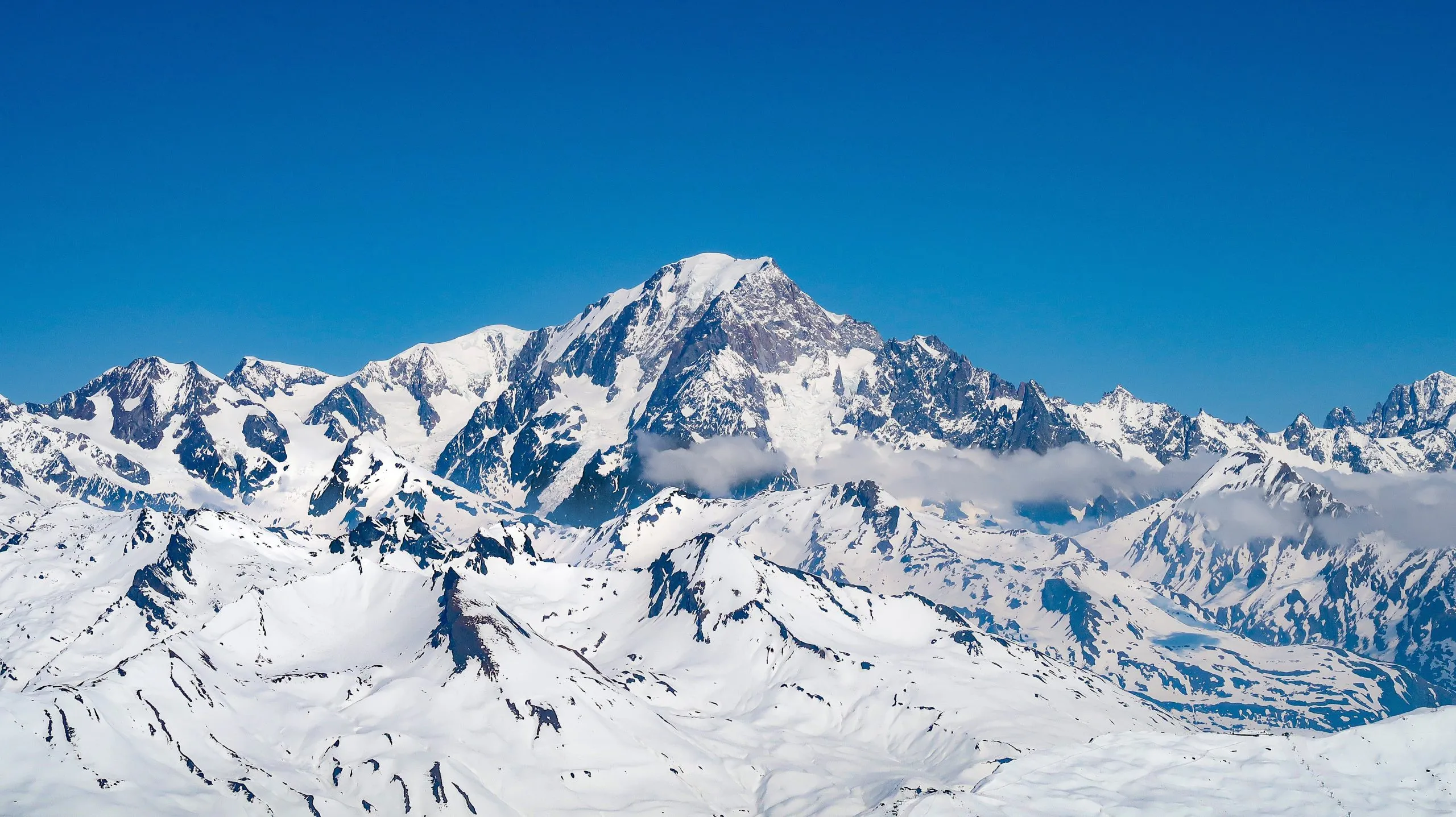
Europe’s highest peak, located on the border of France and Italy. It is a popular mountain for beginners and intermediate climbers alike.
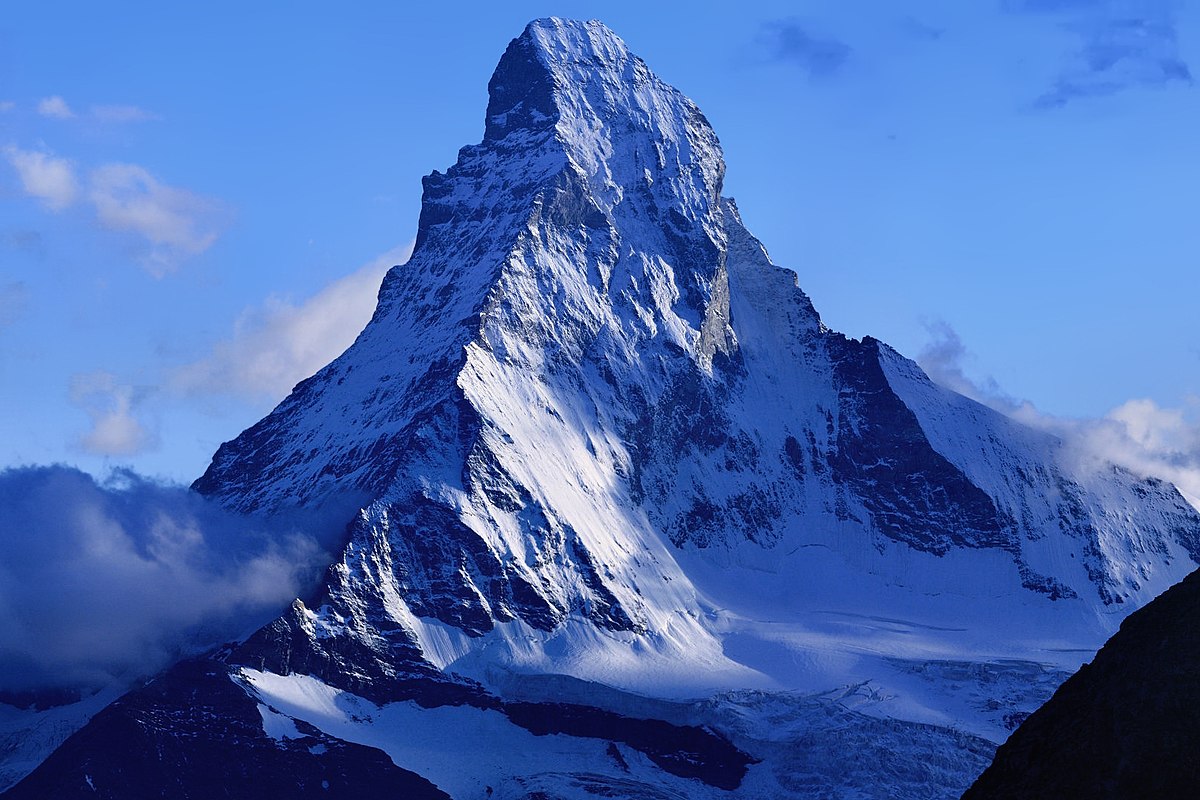
The iconic pyramid-shaped peak in the Alps, famous for its beauty and difficulty. Located between Switzerland and Italy, it remains a mountaineering symbol.
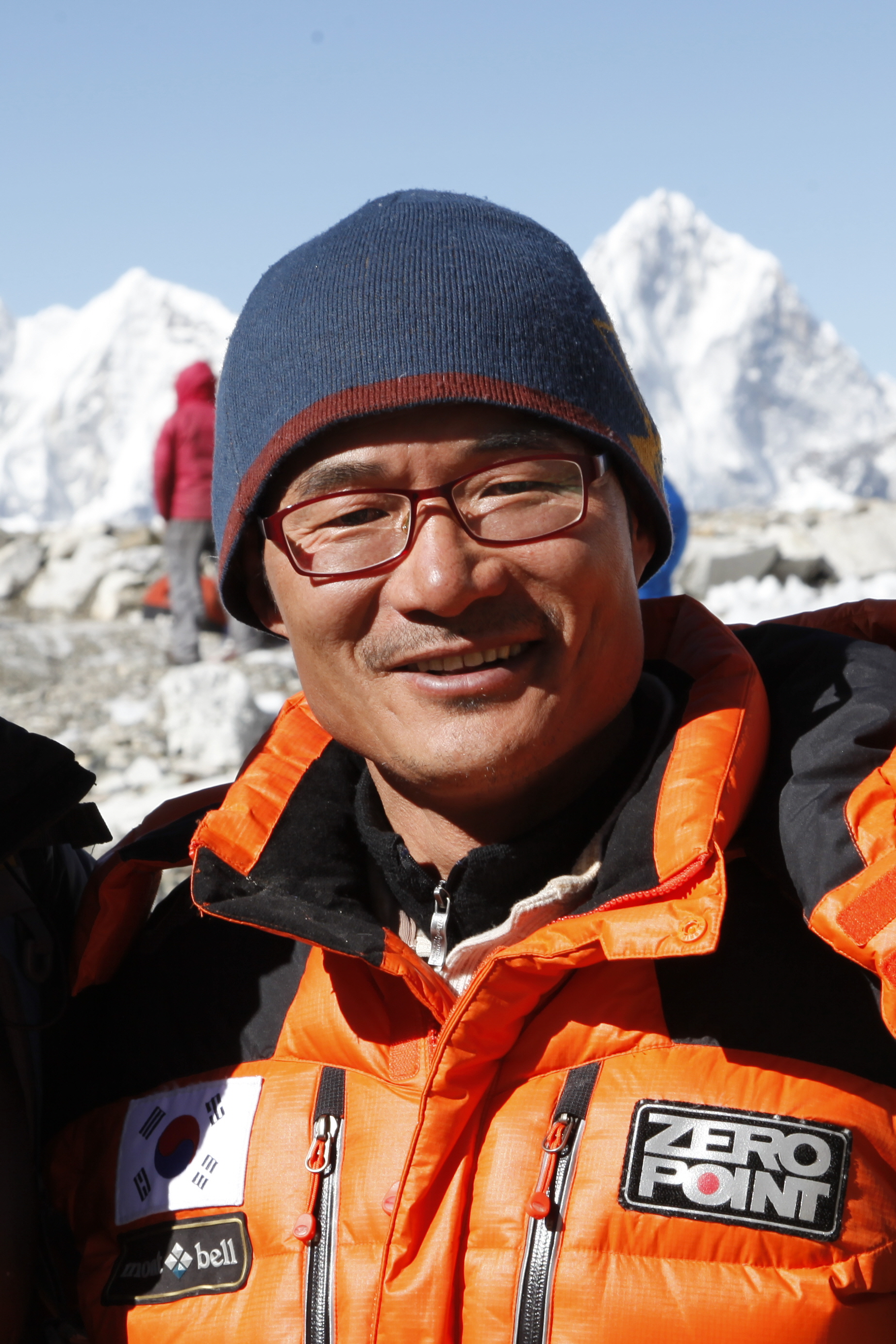
A seasoned Sherpa from Nepal, Tenzing has led over 30 Himalayan expeditions with legendary calm.
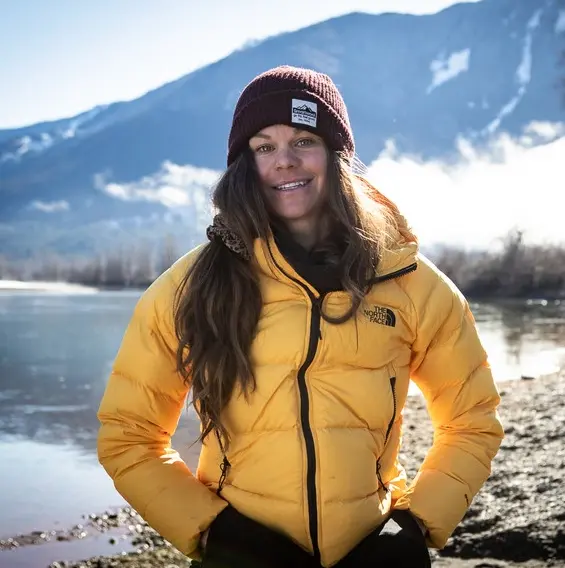
An ice climbing expert from Patagonia, Maya trains climbers in glacier navigation and crevasse rescue.
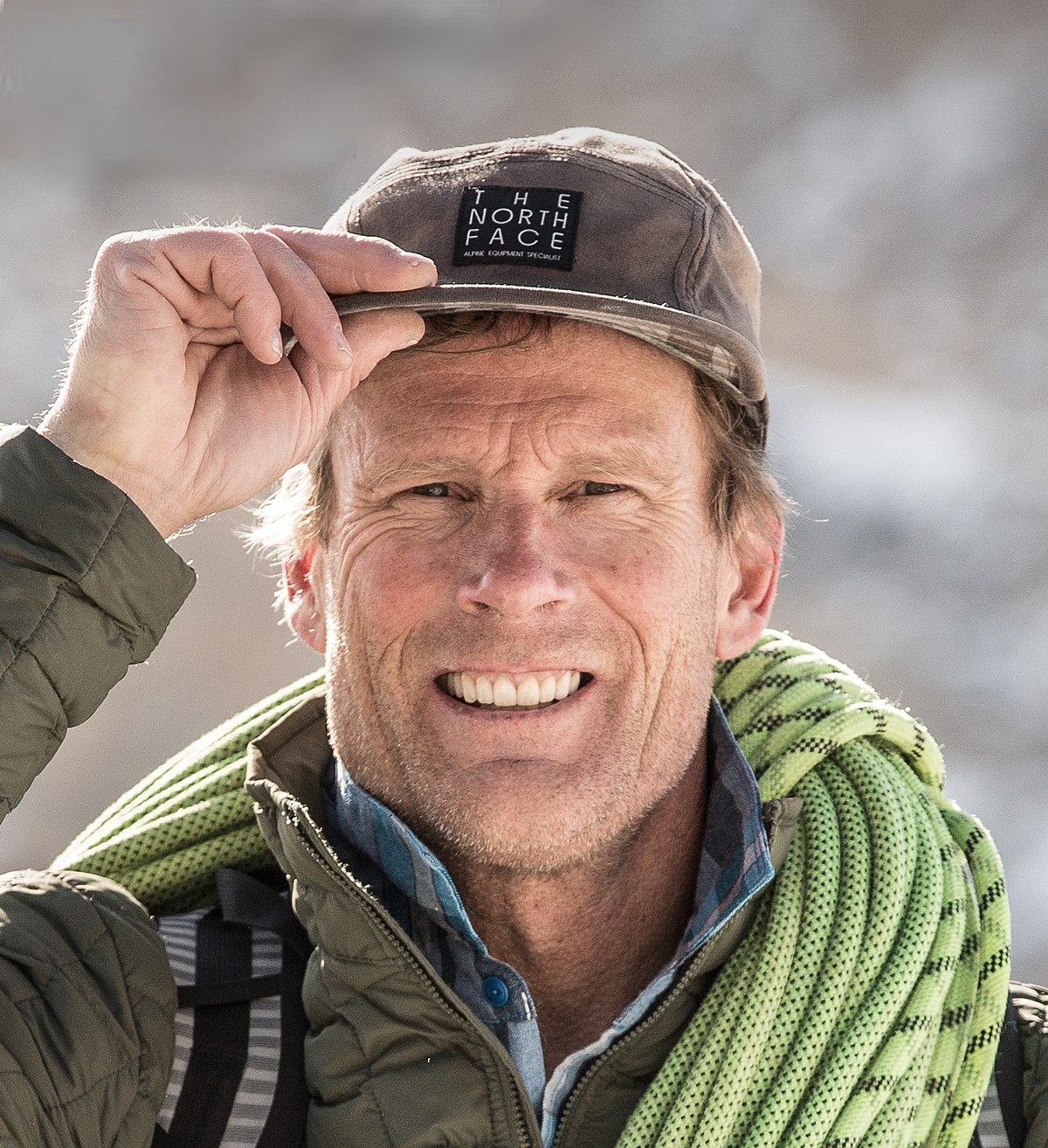
Rock climbing specialist from the Alps, Luca focuses on technical ascents and safety training.